Majdough
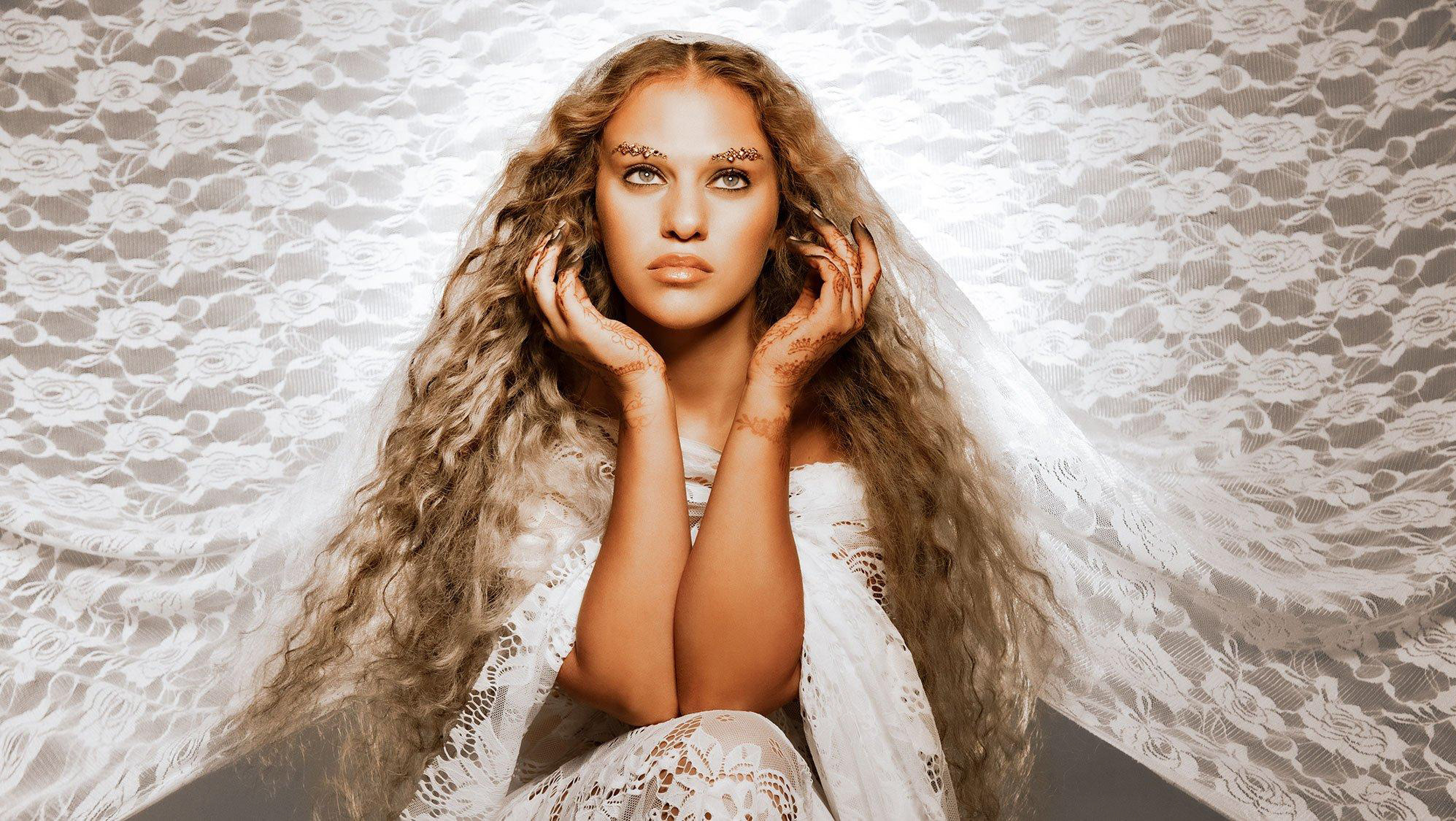
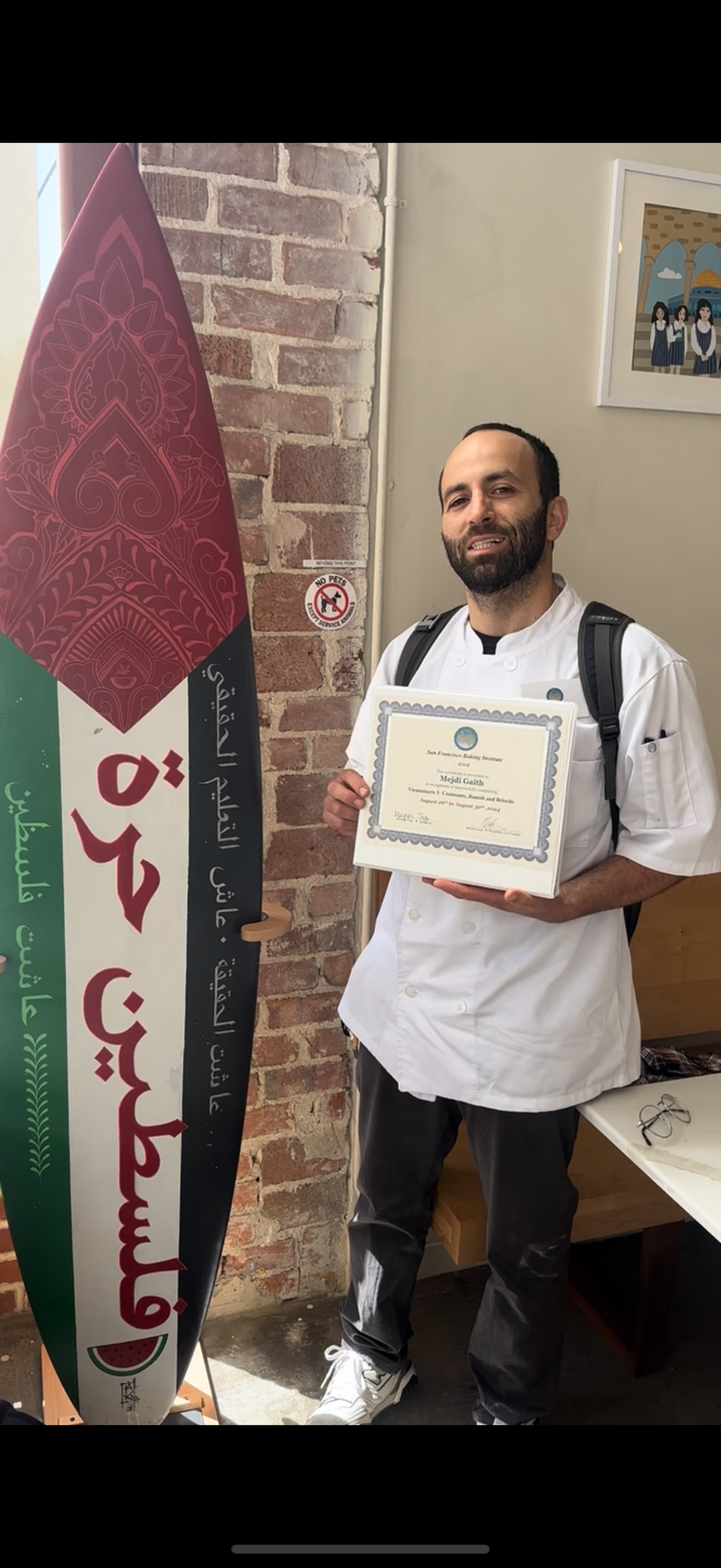
My name is Majdi Gaith, but when I’m in my baking element, I’m “Majdough’s.” I was born and raised in the San Francisco Bay Area to Palestinian parents, and after years living in Palestine and over forty visits, I found inspiration in my people’s food, ingredients, and culture—a passion that eventually led me to baking. Eventually I found my way at the San Francisco Baking Institute to learn viennoiserie-style baking concepts and I currently bake at the Bread Project, a non-profit based in Berkeley Ohlone Land.
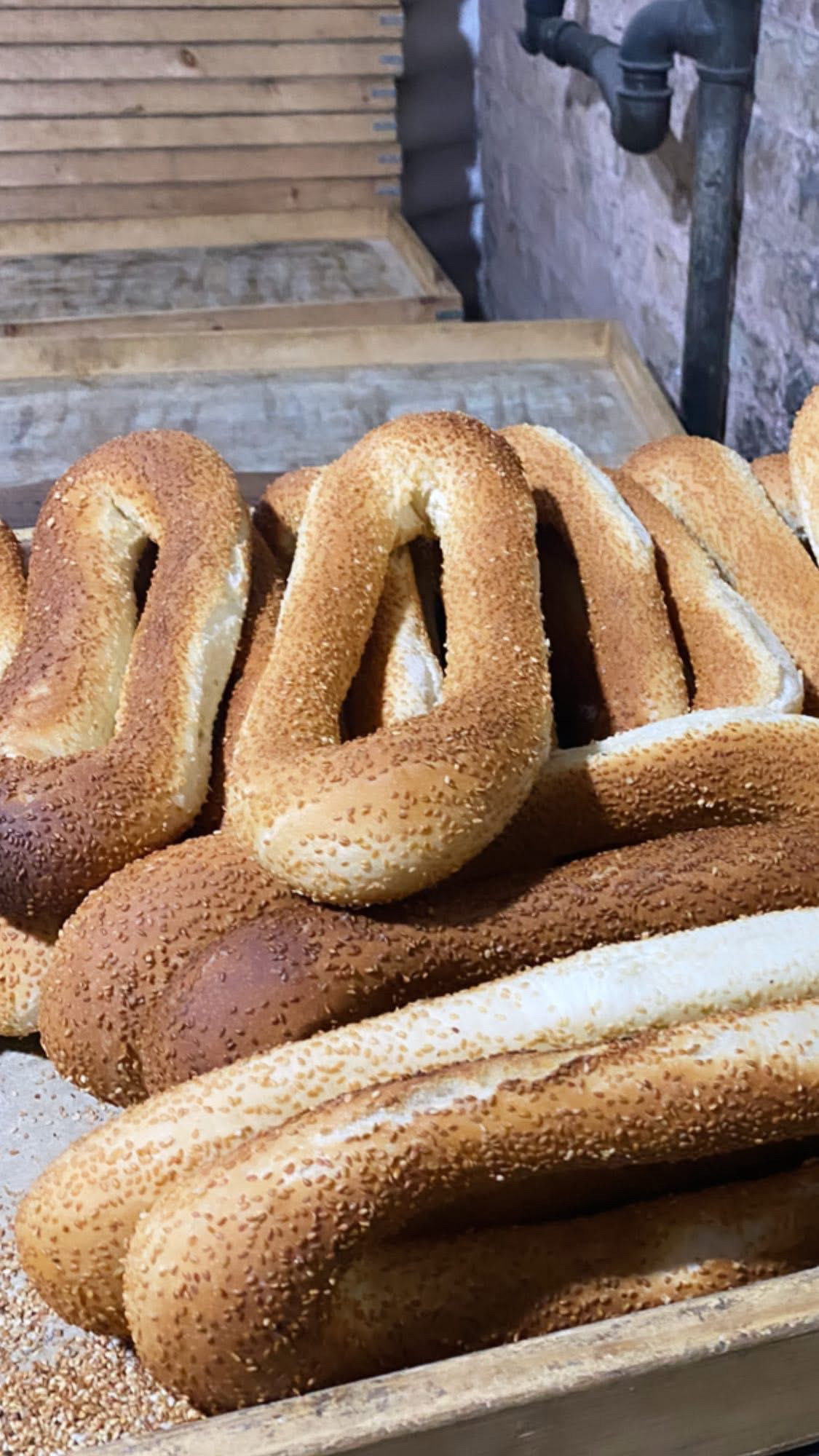
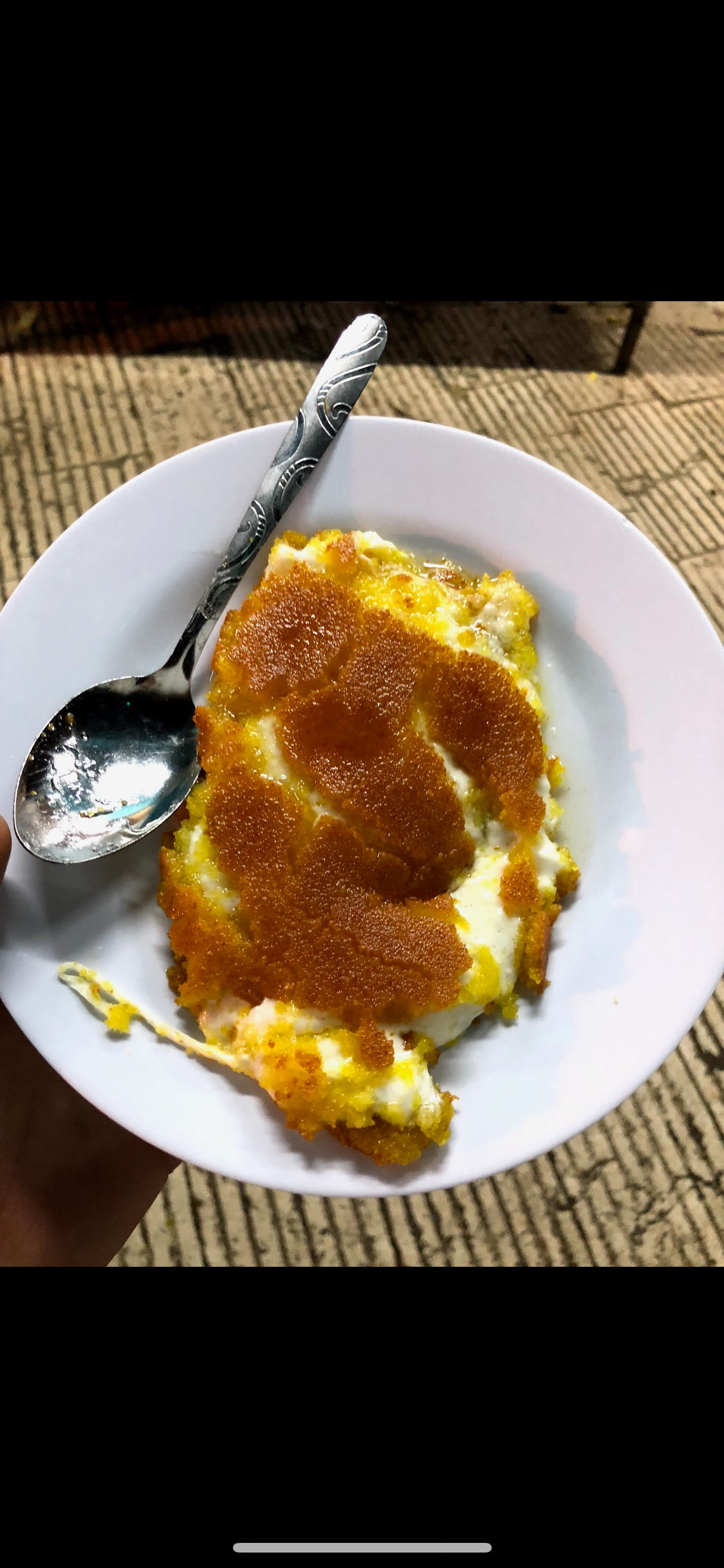
My primary focus is baking kunafa, baklava, Ka’ak Al Quds (Palestinian bagel), harissa, basbousa, namoura (semolina cakes), and Jaffa Cakes. Each recipe is an extension of home, shaped by years spent staging at bakeries across Palestine. In my kitchen, baking becomes more than mixing and measuring; it’s storytelling through ingredients and soul.
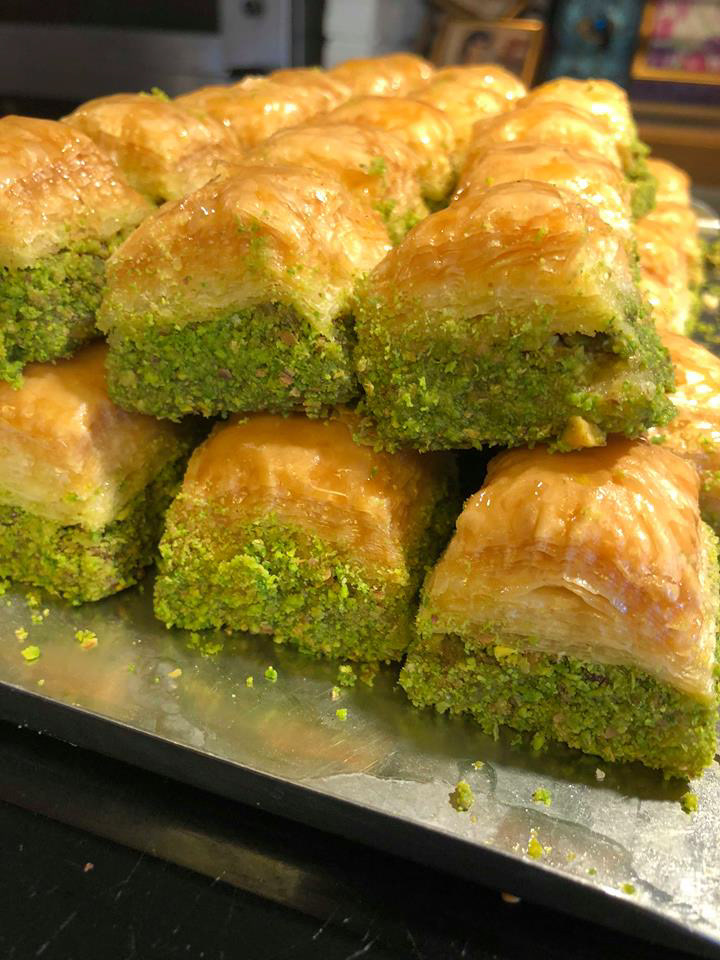
My love for baklava took me to Istanbul, where I studied and practiced the craft alongside masters. Disputes over baklava’s origins are constant—Greeks, Turks, Armenians, Kurds, Persians, and Arabs all lay claim to it. While each style varies, I stumbled upon Turkey’s baklava methods and found them among the world’s best, especially with the exceptional pistachios from Gaziantep near the Syrian border. A specialty baklava is fleeting—it shines for only a few days at its freshest.
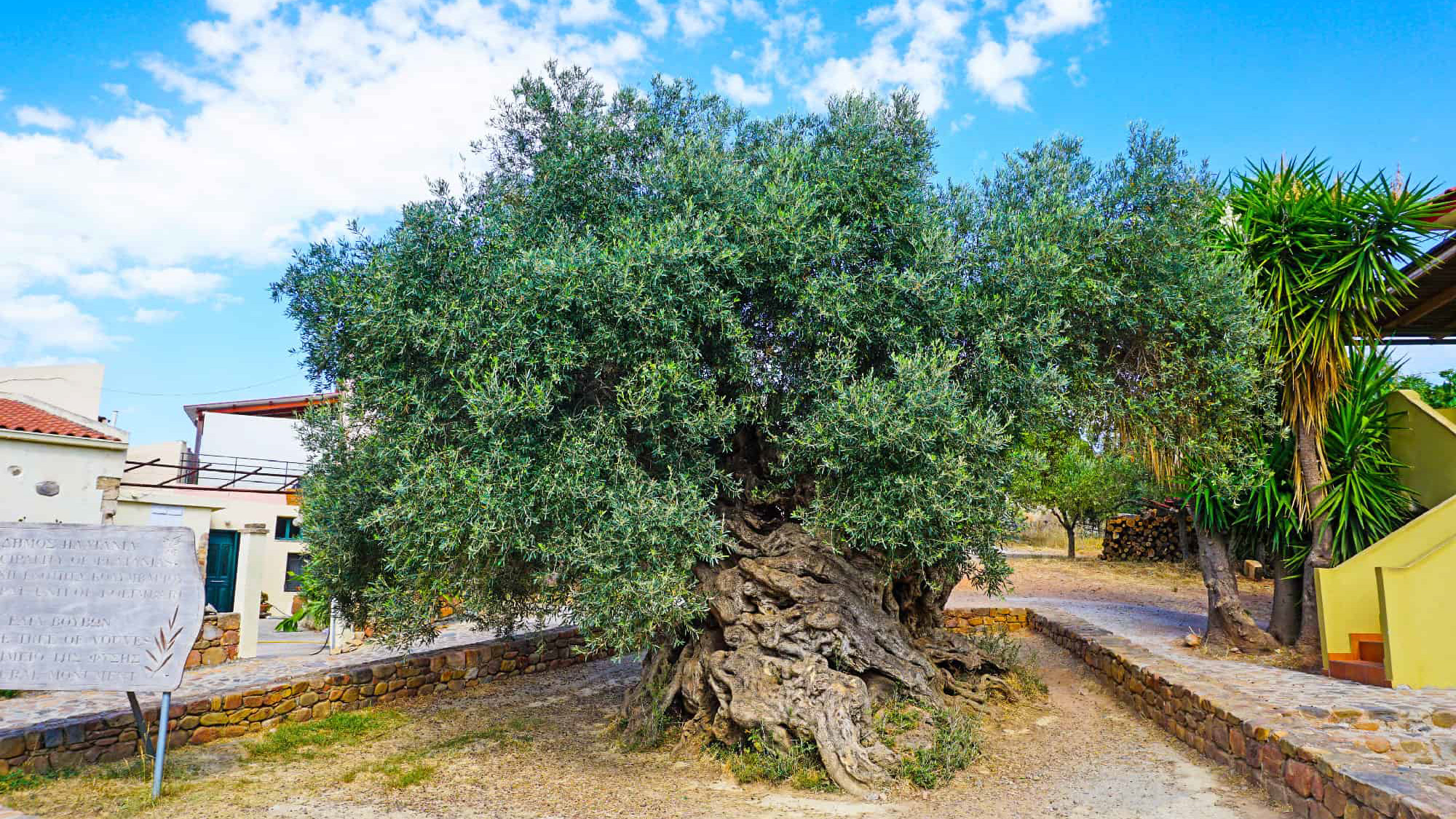
My mother comes from Jerusalem’s Old City, home to some of the world’s oldest bakeries. Olive branches feed wood-fired ovens that turn out perfectly crisp ka’ak. In Nablus, the Old City is celebrated for kunafa—a delicacy woven into every context of life, from moments of celebration to those of mourning. I was fortunate to travel from the south of the West Bank to Nablus to stage at the world’s oldest kunafa shop, maneuvering through the daily hurdles of occupied Palestine.
On my father’s side, in Hebron al-Khalil, semolina cake is known as harissa or basbousa. In Egypt, it’s basbousa; in Lebanon, namoura—different names for the same beloved sweet, each shaped by local tradition and language.
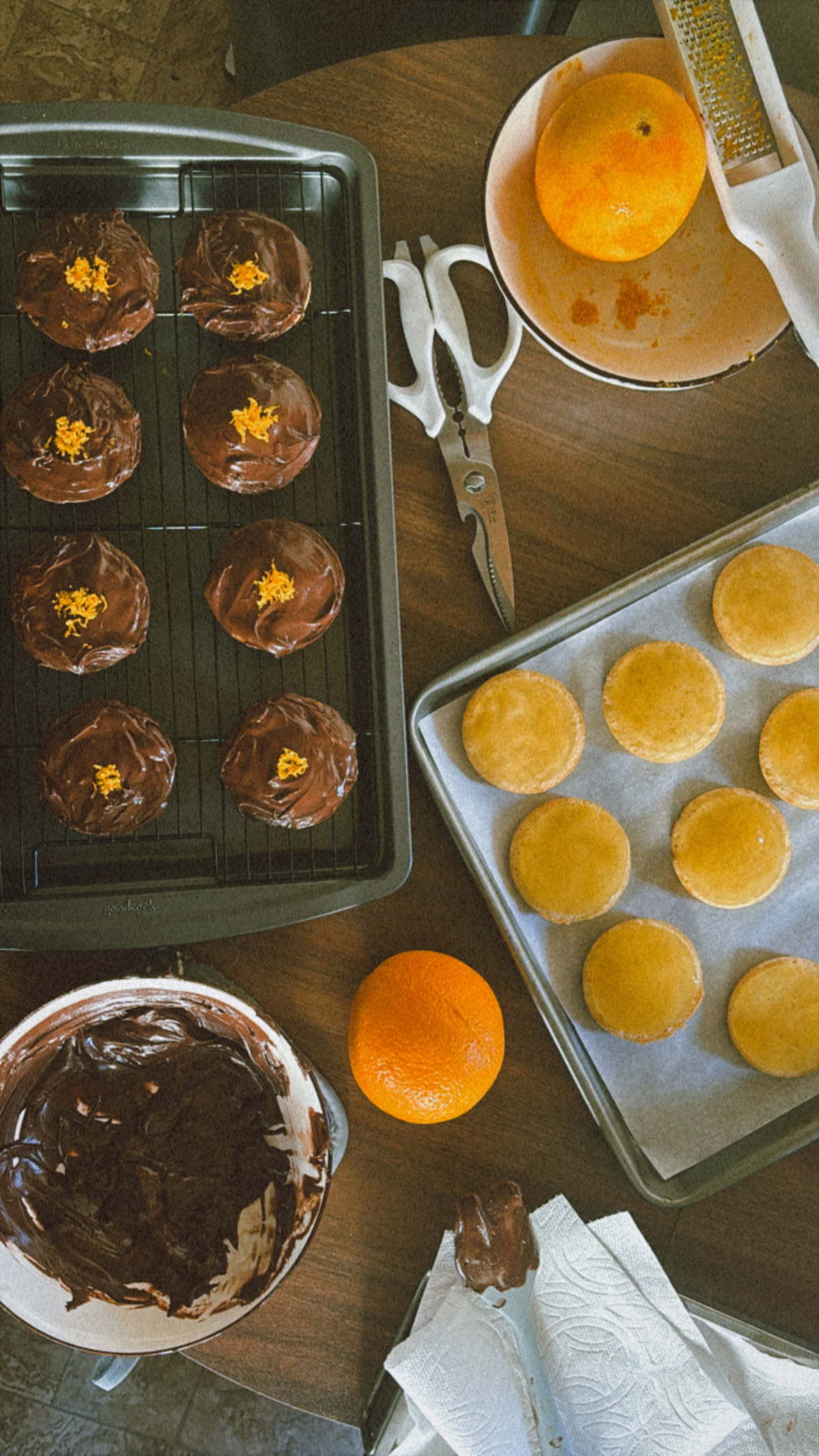
Jaffa Cakes, on the other hand, are not originally Palestinian; their story began in England in the 1930s, inspired by Jaffa oranges once exported globally from Palestine. When I make them, I use pectin-based jelly—Halal, Kosher, and vegan—so everyone can be included.
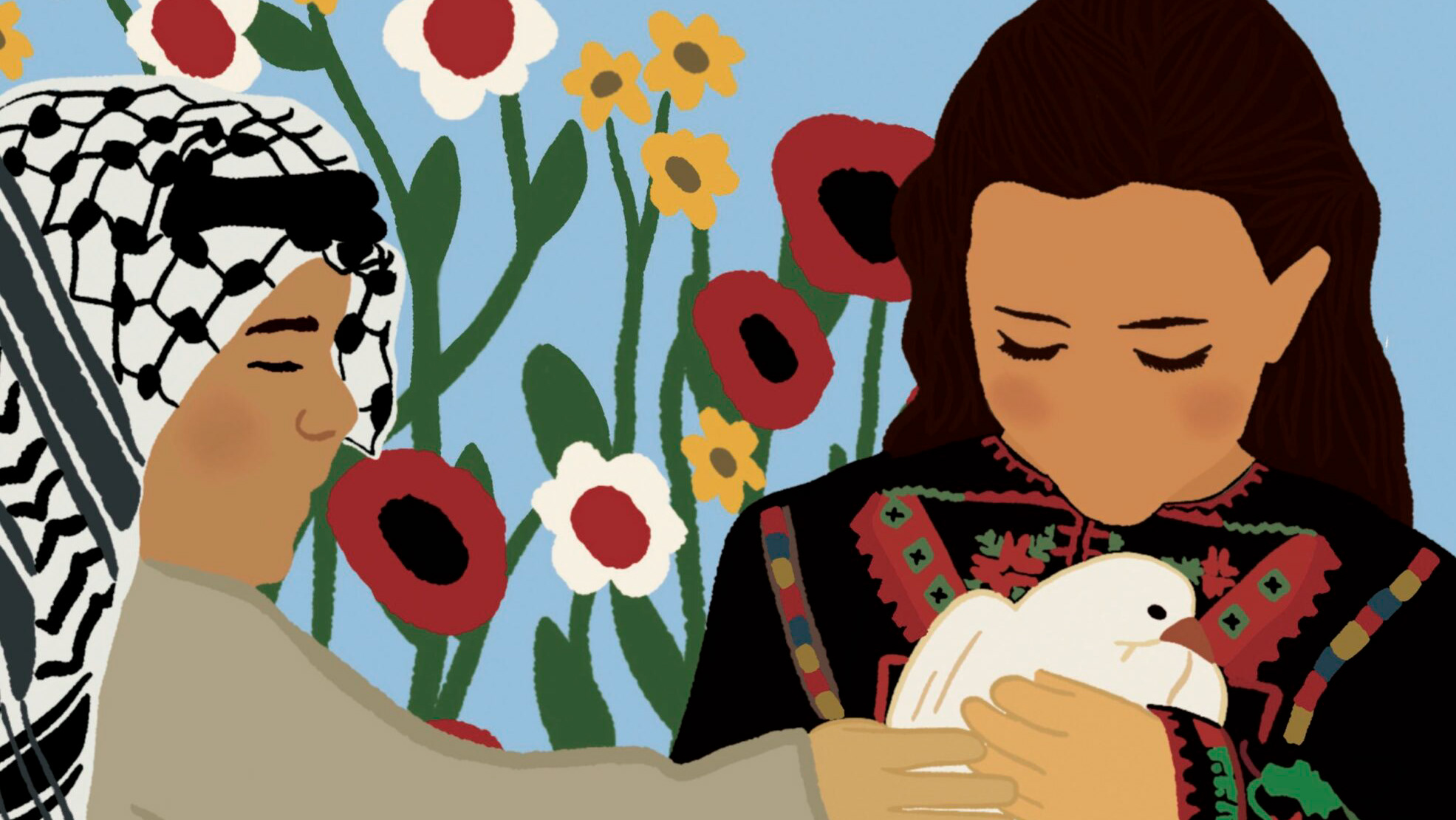
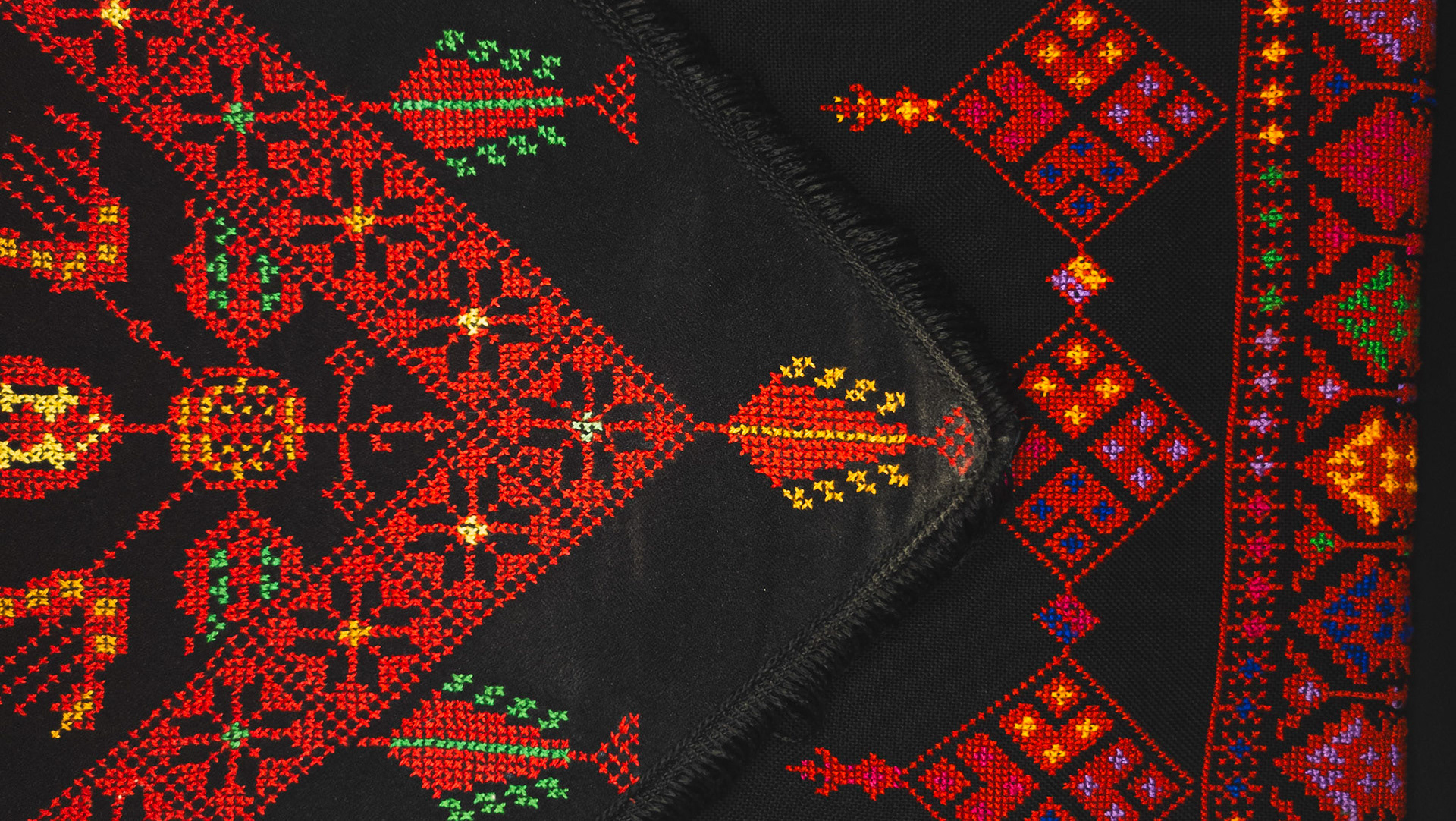
Baking and storytelling with Palestinian ingredients is how I honor the identity and history of my resilient people. Each loaf, pastry, and sweet I make is a small act of memory and hope. I am also honored to be baking on Ohlone Land, and recognize that I am a guest here, grateful for the opportunity to share my heritage in this place.